
When to Book Wedding Dress Fittings
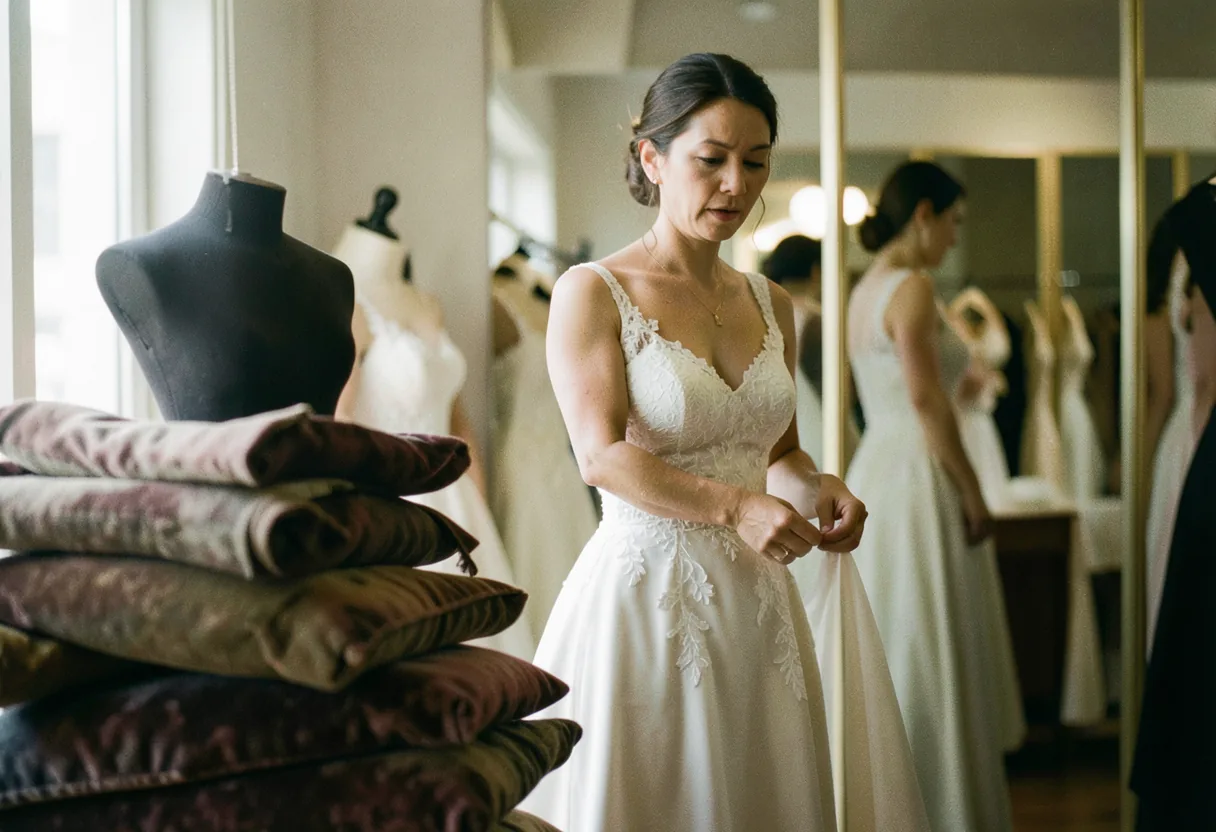
Book your first wedding dress fitting 6-9 months before the wedding. This allows time for alterations, which typically take 2-3 fittings. Order your dress 8-10 months ahead to ensure it arrives in time. Schedule final fittings 4-6 weeks before the big day.
When to book wedding dress fittings depends on your wedding date and the extent of alterations needed, with most brides starting three to nine months before the big day.
Think of your wedding dress fittings like a series of dress rehearsals for your body, a bit like tailoring a bespoke suit, but with more lace and a lot more emotion.
Key facts
- First fittings typically occur 4-6 months before the wedding.
- Final fittings should happen 2-4 weeks before the big day.
- Major alterations can take 2-4 months, while minor ones may need just 4-6 weeks.
- Book your first fitting as soon as you have your wedding dress, even if it’s months in advance.
When to Book Your First Wedding Dress Fitting
Your first wedding dress fitting should happen as soon as you’ve purchased your dress, ideally 4-6 months before your wedding. This initial fitting allows the bridal shop to assess the dress’s fit and discuss any necessary alterations. For example, if you’re buying from Evelyn Rose Bridal in Tamworth, their team will guide you through this process, ensuring your dress is adjusted to your measurements.
The first time I really looked at fitting timelines, I realised how crucial this early start is, especially for complex alterations like taking in a bodice or adjusting the neckline. A dress with a fitted corset, like those from Utopia Bridal, might need more time for precise alterations compared to an A-line silhouette. This early fitting also gives you a chance to practise walking in your dress and getting comfortable with its fit.
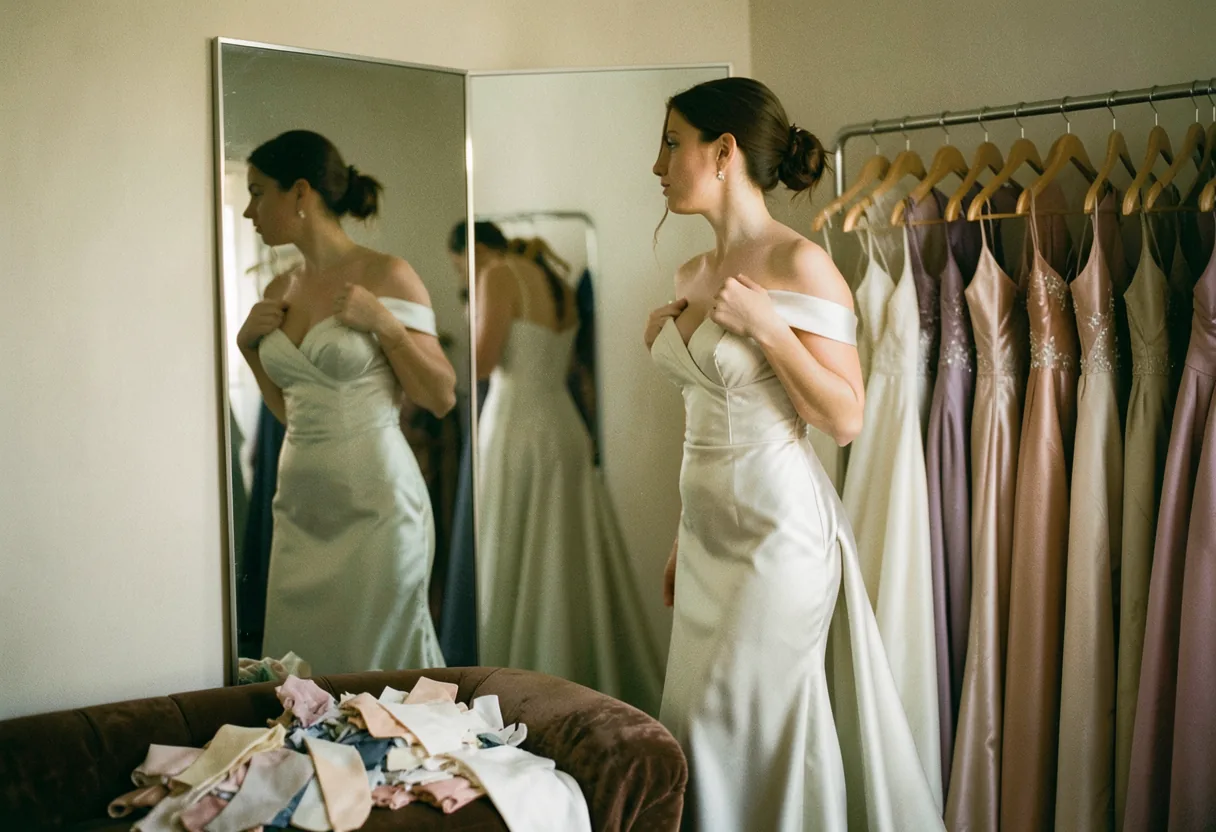
How Many Fittings Will You Need?
Most brides need between two and four fittings, depending on the extent of alterations. Your bridal shop will schedule these based on the work required. For instance, a dress needing bustle alterations will likely require an additional fitting to ensure the train is properly secured. The final fitting should happen 2-4 weeks before the wedding, allowing time for any last-minute tweaks.
If you’re purchasing a second-hand dress from shops like those in Tamworth’s town centre, you might need more fittings to ensure the dress fits perfectly. These dresses often require more extensive alterations, as they’re not custom-made for your body shape. A good rule of thumb is to add an extra month to your timeline if you’re working with a pre-owned dress.
Bridal Shops in Tamworth: Where to Book Your Fittings
Tamworth offers a range of bridal shops, each with its own expertise and services. For example, Evelyn Rose Bridal is known for its stunning bridal wear and personalised service, while Utopia Bridal offers a wide selection of designer dresses. If you’re looking for more affordable options, there are several cheap bridal shops in Tamworth that still provide quality alterations.
For mothers of the bride, there are also dedicated shops near Tamworth offering elegant outfits. These stores often provide fitting services tailored to the needs of older bridesmaids or family members. When choosing a bridal shop, consider their reputation, the range of alterations they offer, and their availability. Some shops, like Evelyn Rose Bridal, require appointments, so it’s best to book well in advance.
The Wedding Dress Alteration Process
The alteration process typically starts with a full measurement taken by the bridal shop. These measurements are used to create a pattern for any changes, whether it’s adjusting the waist, shortening the hem, or adding cups for support. The first fitting will involve trying on the dress with these initial alterations. You’ll then schedule follow-up fittings to refine the fit as the alterations progress.
For example, hemming a wedding dress involves pinning the fabric to the desired length and then stitching it in place. This process can take several weeks, especially if the dress has a complex train. The final fitting ensures the hem is perfect and the dress moves naturally with you. If you’re unsure about the alteration process, the bridal shop can guide you through each step, explaining what to expect and how long each stage will take.
Tips for a Smooth Fitting Process
To ensure a smooth fitting process, start by choosing a bridal shop with a good reputation for alterations. Read reviews and ask for recommendations from friends or family who have recently tied the knot. When booking your first fitting, bring along any undergarments you plan to wear on your wedding day, such as a corset or shapewear, to get an accurate fit.
During your fittings, be open to the bridal shop’s advice. They are experts in dress alterations and can offer solutions you may not have considered. For example, if the bodice is too tight, they might suggest adding panels for extra room. Communication is key, let them know if something doesn’t feel right, and don’t hesitate to ask questions about the process.
Finally, keep track of your fittings with a detailed timeline. This will help you stay organised and ensure you have enough time for all the necessary alterations. A wedding planning timeline checklist can be a useful tool for keeping everything on track.
What to Expect During Your Final Fitting
Your final fitting should happen 2-4 weeks before your wedding. This is your last chance to make any adjustments, so come prepared with any concerns or questions. The bridal shop will steam the dress, check the fit, and ensure everything is perfect. They will also teach you how to put on and take off the dress, especially if it has complex closures or a bustle.
During this fitting, you’ll also receive advice on how to care for your dress until the big day. For example, they might suggest storing it in a breathable garment bag to prevent wrinkles. After the wedding, you can preserve your dress by following the bridal shop’s recommendations for cleaning and storage. This ensures your dress remains in good condition if you plan to keep it as a memento.
Remember, the key to a successful fitting process is patience and communication. Work closely with your bridal shop, and don’t rush the alterations. With careful planning and the right expertise, your wedding dress will fit perfectly on your special day.
Frequently asked questions
How far in advance should I book my first wedding dress fitting?
Book your first fitting about 9-12 months before the wedding. This gives ample time for alterations, especially if you're ordering a custom or designer dress like a Watters gown, which typically takes 6-9 months to arrive. Early fittings also help address any major adjustments early.
What’s the typical schedule for wedding dress fittings?
Most brides schedule 3-4 fittings. The first is for initial alterations after the dress arrives, the second is after the first round of changes, and the third is for final tweaks about a month before the wedding. A fourth fitting can be added for last-minute adjustments, especially for intricate designs.
Should I bring anything specific to my fittings?
Absolutely. Bring the shoes and undergarments you’ll wear on the big day. For example, if you’re wearing a strappy sandal, bring it to ensure the hem falls correctly. Also, wear the shape of your wedding lingerie to get accurate fit adjustments.
How long does each fitting usually take?
Each fitting typically lasts about 1-2 hours. The first fitting might take longer if significant alterations are needed. For instance, taking in the waist or adjusting straps can be time-consuming. Subsequent fittings are usually quicker, focusing on fine-tuning details like hem length or bustle placement.